Table of Content
Make sure you know who will be using your soap as some people may be more sensitive or even allergic to certain herbs. Each soap batch should use about a ¼ cup of dried herbs. Knowing the potential negative impact of all of these ingredients commonly used in traditional soap, why wouldn’t you make the switch to all-natural soaps? All-natural soaps should not contain parabens, SLS, SLES, or triclosan. Make your own all-natural soap and then you really have control over which non-toxic ingredients are used.
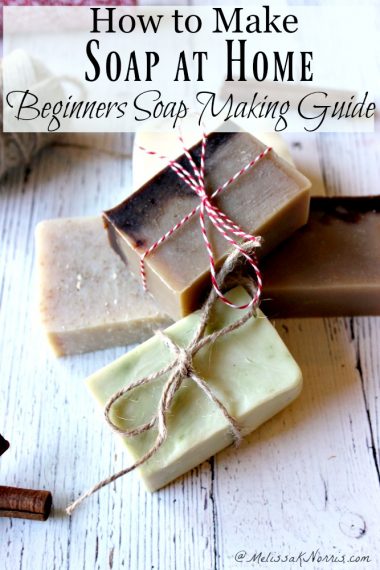
The seeds are mostly used as an abrasive agent, basically, it exfoliates the skin much easier than soaps without them. Just be mindful of the size and type of seeds you are adding as they will all end up in your sewage system, and after a while, they might clog it up. Just fill the bottom boiler with some water, and place the second boiler on top, this way the soap will not burn as it is not in direct contact with the flame. Some people instead of a double boiler will use a simple boiler, fill it with water and place an empty mason jar in the middle where they will melt the soap base.
Add Color to the Soap
Personal protection gear, such as goggles, a mask and heat-resistant gloves are also “musts” according to Rodriques. The number of drops will usually depend on the oil’s quality and your personal preference. You might start with 20 drops if you prefer a lighter scent, and go up to 30 drops if you prefer a stronger scent. Always calculate the amount of lye using the Handcrafted Soap and Cosmetic Guild’s lye calculator. Choose your materials based on their healing properties.

Even keeping the lye solution cool, you'll still get a bit of orange color. Part of this comes from the goat's milk itself and part of this comes from the lye heating the milk. The purpose of the ice bath is to minimize the color shift, not prevent it altogether. Some people will sprinkle on the still liquid soap some dried up herbs or even seeds.
Can You Substitute Oils in Cold Process Soap?
The soap base is then melted in a microwave or a double boiler. When the soap is fully melted you can add fragrance, color, and additives. Pour the mixture into a mold and the soap is ready to use when it hardens. It's tempting to want to add a ton of ingredients to your soap recipe, but sometimes simple is the way to go.

Static cling can cause lye flakes to fly up and stick to your gloves or shirt sleeves. If this happens, remove the flakes immediately. I’m also glad you’ve mentioned that shortening more often than not has palm oil in it. The best way to line your mold when using the freezer/butcher paper is to cut two strips, one to go across the width of your box and the other going across the length. Leave enough on the paper to fold over the edges and secure with tape.
Use a double boiler to make soap
Using too much neutralizer can cause cloudiness, so it's best to round down how much neutralizer you add by erring on the conservative side.
Please allow additional time if international delivery is subject to customs processing. Delivery times may vary, especially during peak periods. It is important to note that when making soap, the ingredients must be measured by weight, not volume, so a scale is necessary for the process. Set the soap in a safe place and leave it alone. It takes about 24 hours for the soap to harden enough to take it out of the mold and slice it. The color is a variation where soap-making becomes art and where you can create your custom soap masterpieces.
What Is Trace?
Store the soap safely using wax paper or an airtight container. Once cured, wrap your soap in wax paper or place it in an airtight container because handmade soap creates glycerin, which pulls moisture from the air. Moisture may attract debris and dust so keeping your soap covered will keep them clean and pure. If you’re making a mild to hard bar, use olive oil or use coconut oil in order to produce soap with a good lather. You may also use almond oil, grapeseed oil, sunflower oil, or safflower oil to achieve similar effects.
Yes, my friend, lye is needed to make milk soap from scratch. Nothing can be substituted for lye in handmade milk soap recipes. We’ll talk more about lye and its use in just a bit. Also, it’s nearly impossible to unmold cold process soap from rigid plastic molds, because bars are soft and sticky for several weeks after they’re made. Use a spatula and paper towels to clean soap mixtures before rinsing.
With the introduction of stick blenders to soap making, the trace can be reached in a few minutes. And now is usually the time to add any extras like flowers, fragrance, essential oils, colors or textures into your recipe. There are so many things that you can add, check out some of theseinteresting soap making ingredients and textures. My very first batch of DIY milk soap was, objectively, ugly.

The most popular soap bases are white or clear glycerin. For a more luxurious soap, try a base made with goat's milk, olive oil, or Shea butter. You'll cut the soap base up into chunks to help it melt faster. If you use a microwave to melt the chunks, put the base in a microwave-safe bowl and stir at 30-second intervals until the chunks are liquid and smooth.
If your pitcher sags, warps, softens, or does anything other than sit there mightily, don’t use it for soap making. I use nitrile exam gloves, because they’re thin and I can feel what I’m doing. If you’re allergic to latex, you can use these without problems.

Glass, wood, ceramic or cardboard all lined with freezer/butcher paper will also make suitable molds. Avoid using any metal molds unless you can be sure they are stainless steel. If you don't have a specific soap mold, then any good size container will do. Sturdy plastic containers that still have enough give to ease the soap out make the best containers because you don't have to line them. Don’t be tempted to use your soap until you are sure that it has cured, if in doubt test it with a ph strip to make sure it is somewhere between 7-10. If you made a mistake and after 4 weeks it measures above 10 don’t just throw it away as you can rebatch it.
Some people can even develop an allergic reaction to lye, while others develop just an annoying itch. So if you are making your own soap and your skin itches then the most likely culprit is the lye, and that you probably added too much lye to the soap. Lye is also some kind of binding agent between the water, fats, and the different oils you might use for your soap. The problem is that if you do not add lye to your soap then the ingredients will not mix.




No comments:
Post a Comment